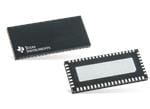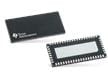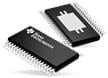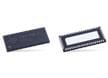



FPC402RHUR

Images are for reference only
See Product Specifications
See Product Specifications
595-FPC402RHUR
FPC402RHUR
Mfr.:
Description:
Interface - Specialised Quad Port Controller 56-WQFN -40 to 85 A A 595-FPC402RHUT
Interface - Specialised Quad Port Controller 56-WQFN -40 to 85 A A 595-FPC402RHUT
Datasheet:
Availability
-
Stock:
-
Non-StockedAn unexpected error occurred. Please try again later.
-
Factory Lead Time:
-
18 Weeks Estimated factory production time.
Pricing (EUR)
| Qty. | Unit Price |
Ext. Price
|
|---|---|---|
| Cut Tape / MouseReel™ † | ||
| 7,48 € | 7,48 € | |
| 5,80 € | 58,00 € | |
| 5,38 € | 134,50 € | |
| 4,91 € | 491,00 € | |
| 4,69 € | 1.172,50 € | |
| 4,56 € | 2.280,00 € | |
| 4,44 € | 4.440,00 € | |
| Full Reel (Order in multiples of 2000) | ||
| 4,21 € | 8.420,00 € | |
† A MouseReel™ fee of 5,00 € will be added and calculated in your basket. All MouseReel™ orders are non-cancellable and non-returnable.
↩
Alternative Packaging
Mfr. Part No.:
Packaging:
Reel, Cut Tape, MouseReel
Availability:
In Stock
Price:
8,79 €
Min:
1
Similar Product

Texas Instruments
Interface - Specialised Quad Port Controller 56-WQFN -40 to 85 A A 595-FPC402RHUR
Datasheet
Images
PCN
Compliance Codes
- USHTS:
- 8542390090
- ECCN:
- EAR99
Origin Classifications
- Country of Origin:
- Not available
- Assembly Country of Origin:
- Not available
- Country of Diffusion:
- Not available