


BOB-16842

Images are for reference only
See Product Specifications
See Product Specifications
474-BOB-16842
BOB-16842
Mfr.:
Description:
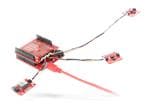
SparkFun Accessories Buttons are an easy and tactile way to interface with your project but why would you want to deal with debouncing polling and wiring up pull-up resistors? The Qwiic Button with built-in green LED simplifies all of those nasty worries away into an
SparkFun Accessories Buttons are an easy and tactile way to interface with your project but why would you want to deal with debouncing polling and wiring up pull-up resistors? The Qwiic Button with built-in green LED simplifies all of those nasty worries away into an
Datasheet:
In Stock: 12
-
Stock:
-
12Can Dispatch ImmediatelyAn unexpected error occurred. Please try again later.
-
On Order:
-
20Expected 6/9/2026
-
Factory Lead Time:
-
4Weeks Estimated factory production time for quantities greater than shown.
Pricing (EUR)
| Qty. | Unit Price |
Ext. Price
|
|---|---|---|
| 4,91 € | 4,91 € |
Datasheet
Compliance Codes
- USHTS:
- 8537109170
- ECCN:
- EAR99
Origin Classifications
- Country of Origin:
- United States
- Assembly Country of Origin:
- Not available
- Country of Diffusion:
- Not available